IIA’s fuel analysis process results in a detailed report to ensure the fuel that powers your equipment is up to legal and safety standards while warning of any potential contaminants from water leading to bacteria growth and other issues.

November 3, 2011

Using Oil Analysis to Detect Soot and Prevent Combustion Problems

Soot is composed of a number of chemical components resulting from incomplete fuel combustion (gasoline, diesel, bunker, kerosene). It is present in the form of dark, carbon-rich tar-like solid substances called carbon soot or black carbon.
October 7, 2011

Using Oil Analysis to Detect Glycol Contamination

Coolants, like lubricants, are essential fluids in order to maintain engines and all heat generating mechanical systems in good working order. Glycol is the main ingredient of coolants for diesel, gasoline or gas engines. Antifreeze liquids usually consist of 50/50 glycol with water mixtures.
June 1, 2011

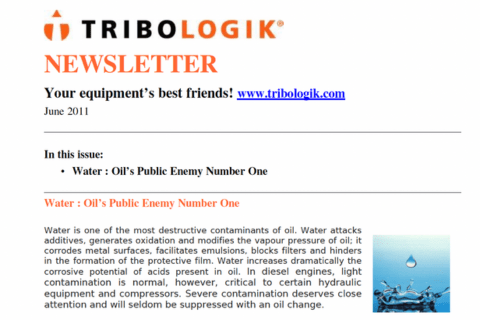
Why Use Oil Analysis to Detect Water Contamination?

Water is one of the most destructive contaminants of oil. Water attacks additives, generates oxidation and modifies the vapor pressure of oil; it corrodes metal surfaces, facilitates emulsions, blocks filters and hinders in the formation of the protective film. Water increases dramatically the corrosive potential of acids present in oil. In diesel engines, light contamination is normal, however, critical to certain hydraulic equipment and compressors. Severe contamination deserves close attention and will seldom be suppressed with an oil change.

March 1, 2011

Using Oil Analysis to Measure Ash Residue in Lubricating Oil

The Sulfated ash test is meant to measure the purity of the lubricant. Pure basic oils contain no ash. In most cases, oils are very similar: same color, same texture, same odour. With additives however, their performances can be dramatically improved. Many of them promise to prolong your engines’ useful life and improve their operational effectiveness.