
With some of the cleanest air on Earth, the rugged and remote island of Tasmania offers a gold standard for air quality around the world. In fact, scientists use it as a reference point to compare air quality in other regions of the world.
Comparing against an agreed-upon standard is at the heart of calibration, a vital process in every area of modern life.
Calibration is a straightforward, but extremely critical, process that ensures the accuracy of measurement equipment. Without calibration, there would be greater risk of product defects, equipment malfunctions, structural integrity issues, and safety hazards.
What is Calibration?
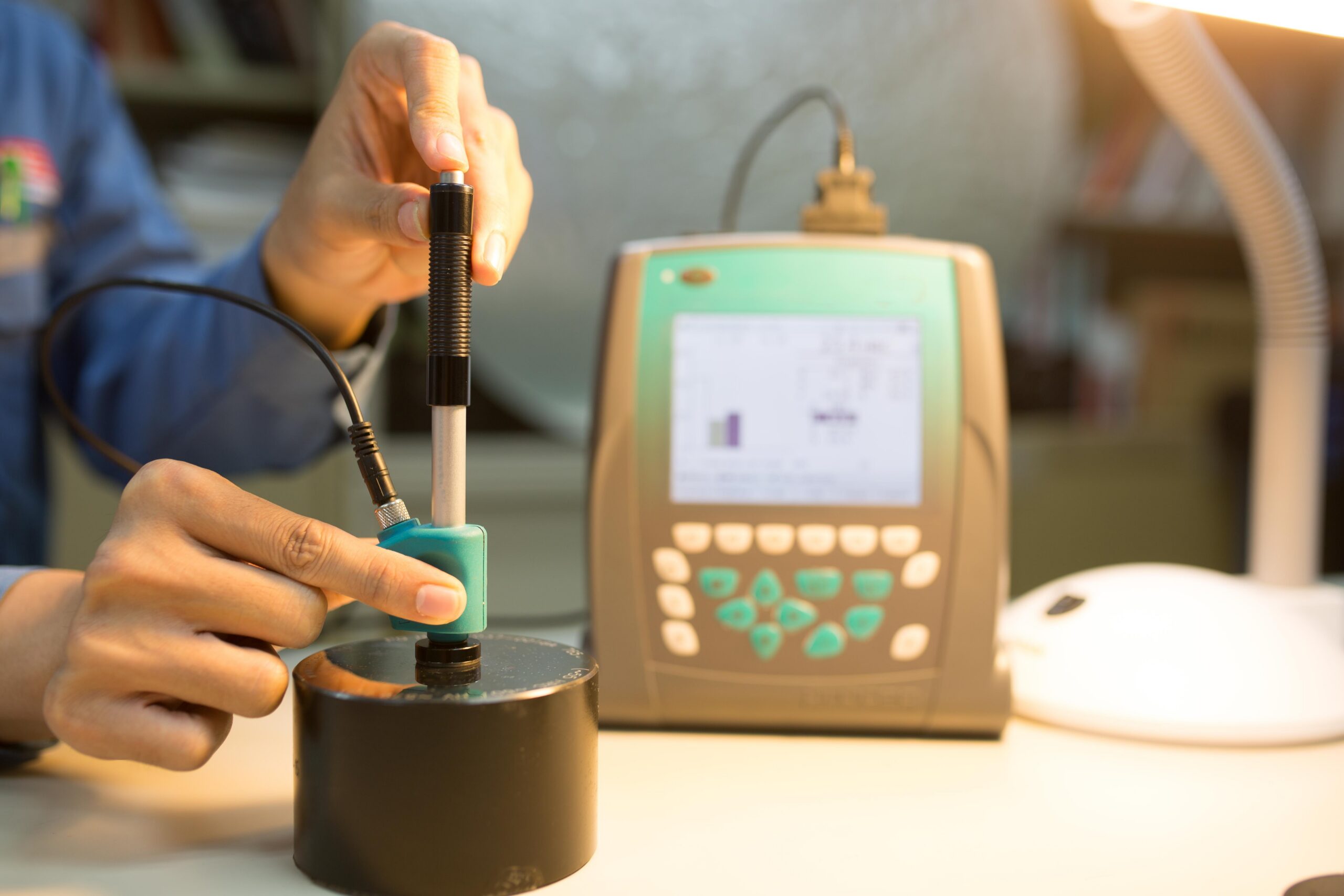
Calibration compares actual measurement values produced by a measuring device to an accepted standard to determine the accuracy of the instrument. The process involves obtaining a test reading from a measurement device, such as a scale, gauge, sensor, or thermometer, and comparing it to the reading from an accepted standard. The standard equipment is far more accurate than the equipment being tested.
Any deviation from the standard is documented to show how much the instrument has drifted since its last calibration. Cleaning, repairs or other adjustments can then be made to bring the equipment back to an acceptable accuracy range. After adjustments, the instrument is tested again to confirm that it now meets accuracy requirements. (Note: When adjustments are not possible, discrepancies are documented and the instrument is labeled accordingly.)
Why Calibration Is Important
Routine calibration is important because measurement devices, like all mechanical equipment, will “drift” from design specifications and become less accurate over time. Factors such as repeated usage (wear and tear) and environmental factors, such as dust or temperature fluctuations, can all impact accuracy.
The potential consequences of inaccurate readings vary widely depending on the product. For example, if your bathroom scale inaccurately tips toward your goal weight, you may start the day with a spring in your step.
However, in many industries, the consequences of seemingly small errors in measurement can be serious. For example, in the medical field, inaccurate test results could lead to misdiagnosis or unsafe (or unnecessary) treatments. In the aviation industry, sensors or instruments that drift out of calibration could lead to fuel shortages, mechanical failures or navigation errors — with potentially deadly consequences.
In light of the potentially serious consequences of inaccurate readings, the importance of calibration cannot be overstated.
Five Questions to Ask Potential Calibration Providers
Routine calibration helps to ensure optimal performance throughout the life of the equipment — and it starts with finding the right testing partner. Partnering with a premier testing provider will help you reap the many benefits of calibration, from safety and quality to cost savings and compliance. These five key questions will help you separate qualified providers from the rest of the pack.
5 Key Questions to Ask
1. Are you accredited, and to what standards?
Accreditation means the provider meets recognized international or national quality standards, such as ISO/IEC 17025. This provides assurance that equipment, methods, and skill levels meet industry benchmarks and that data is impartial, accurate, and trustworthy. Look for an accreditation certificate issued by a recognized body (e.g., A2LA, UKAS, NABL).
2. What is your calibration process and measurement uncertainty?
Look for a clearly documented process describing the reference standards used; traceability to national or international standards (NIST, etc.); and a detailed accounting of possible variation in readings.
3. What are your turnaround times?
Delays in calibration testing can impact operational goals, budget and schedule. Ask about the firm’s scheduling and communication practices and the availability of expedited service and on-site calibration. Be clear on the timelines needed for completion.
4. What related services do you provide?
A one-stop shop can save you time and money, so it pays to ask potential providers if they provide services beyond calibration, such as repair, replacement, or recall alerts.
5. What kind of support and documentation do you provide?
Beyond technically competent calibrations, a provider should deliver detailed and comprehensive documentation to support audits, quality assurance, and traceability. You should also inquire about the level of technical support or consultation provided should questions, discrepancies, or audits arise.
Why Choose IIA?
Across the U.S., Industrial Inspection & Analysis’s ISO-accredited labs offer expert calibration and repair services for a wide range of standard and specialty equipment. All calibrations are traceable to National Institute of Science and Technology (NIST) and comply with ISO standards.
Our team understands that measurement equipment is vital to your daily operations, and that downtime can be costly. We are committed to providing a fast turnaround on calibration jobs to minimize disruption to your operations and workflow. Our experience and technical expertise — plus 24-hour operations — ensure a rapid response to your calibration needs.
We offer competitive pricing, certificates that include full data for each item calibrated, and a proprietary electronic recall system so your equipment is never out of calibration. As a full-service provider, we also offer repair and on-site services for your convenience.
Choosing a calibration provider is more than comparing prices — it’s about enhancing precision, minimizing downtime, and maintaining compliance. On all of these fronts, your satisfaction is the measure of our success at IIA.


